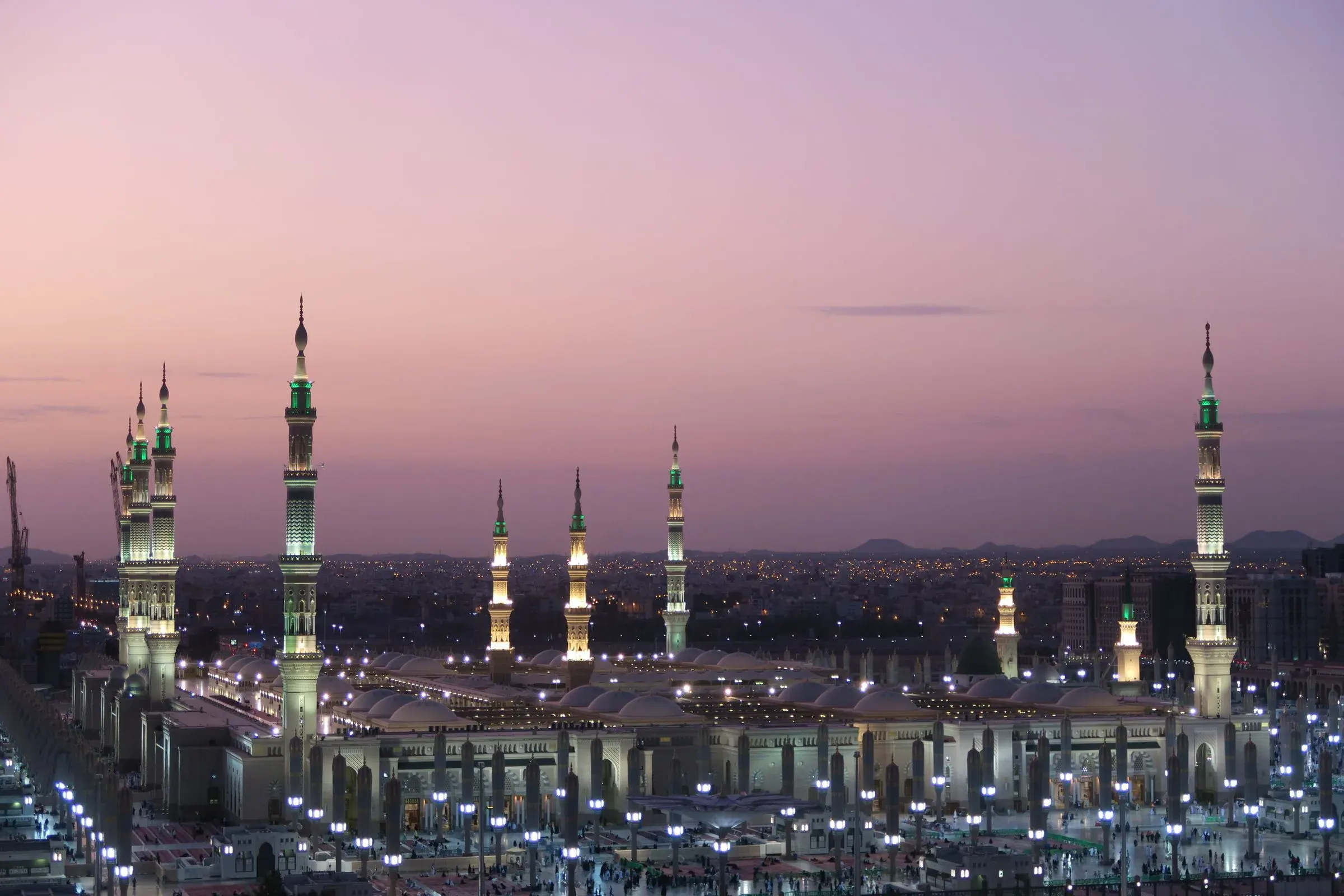
Madinah is noticeably cooler than Makkah in winter and just as hot in summer. From December to February the average daytime high is 24 to 27°C and the average night-time low is 12 to 14°C, while from June to August the average high is 43 to 44°C.
The figures below are the World Meteorological Organization climate normals for 1991 to 2020, recorded at the Madinah weather station, which sits at 636 m above sea level. They are long-term averages, not a forecast for your week, so check a current forecast before you fly.
Madinah temperature and rainfall for every month
“Rain days” counts days with at least 1 mm of rain.
| Month | Average high | Average low | Rain (mm) | Rain days |
|---|---|---|---|---|
| January | 24.4°C | 12.1°C | 8.6 | 0.9 |
| February | 27.0°C | 14.1°C | 3.0 | 0.3 |
| March | 30.8°C | 17.4°C | 5.3 | 0.6 |
| April | 35.5°C | 21.7°C | 6.5 | 0.9 |
| May | 39.7°C | 25.9°C | 4.5 | 0.8 |
| June | 43.0°C | 29.0°C | 0.2 | 0.1 |
| July | 43.0°C | 29.8°C | 1.3 | 0.2 |
| August | 43.8°C | 30.5°C | 3.9 | 0.6 |
| September | 42.3°C | 28.6°C | 0.3 | 0.1 |
| October | 37.3°C | 23.5°C | 5.2 | 0.8 |
| November | 30.4°C | 18.0°C | 13.9 | 1.4 |
| December | 26.0°C | 14.0°C | 7.0 | 0.8 |
Across the year the average high is 35.3°C and the average low is 22.1°C. Total rainfall is 59.7 mm, on about 7 days with at least 1 mm.
How cold does Madinah get?
Colder than most people expect, though never freezing on average. In January the average low is 12.1°C, and the station records about 10 nights a month with a minimum at or below 10°C (9.7 on average). February has about 4 such nights and December about 3 to 4 (3.7 and 3.5).
The lowest night-time temperatures on record in this period are 1.0°C in January, 3.0°C in February, 4.8°C in December and 5.0°C in November. These are extremes, not typical nights, but they explain why a warm layer is worth packing for a winter trip. By day, January’s average high of 24.4°C is pleasant in the sun, and the station recorded no day below 0°C in any month.
Madinah’s winter is the biggest difference from Makkah. In January the average high is 6.5°C lower than in Makkah (24.4°C against 30.9°C), and the average low is 7.1°C lower (12.1°C against 19.2°C). If you are visiting both cities in one trip, you will notice the change.
When is Madinah hottest?
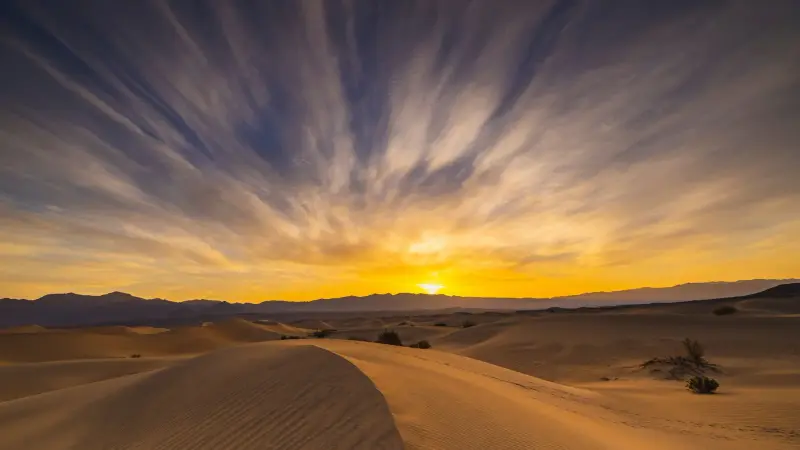
August has the highest average high at 43.8°C and the highest average low at 30.5°C. June and July both average 43.0°C by day. September is close behind at 42.3°C. The highest temperature the station has recorded is 49.0°C, in July.
Madinah’s summer is a dry heat. June, July and September each average under 1.5 mm of rain (August 3.9 mm), and the Wikipedia climate table for Medina lists average humidity between 12 and 17 percent from May to September. We could not verify that humidity series against the original dataset, so treat it as indicative only. Dry heat still dehydrates quickly, so drink regularly and do not wait until you feel thirsty.
The in-between months
- March has an average high of 30.8°C and a low of 17.4°C. It was above 30°C by day on about 19 days of the month in this period, but evenings are mild.
- April averages 35.5°C by day and 21.7°C at night, and the temperature passes 30°C on about 29 days.
- October averages 37.3°C by day and 23.5°C at night, still hot in the afternoon.
- November is the clearest example of a switch. The average high is 30.4°C and the low is 18.0°C, and it is also the wettest month in the station record with 13.9 mm.
How much does it rain in Madinah?
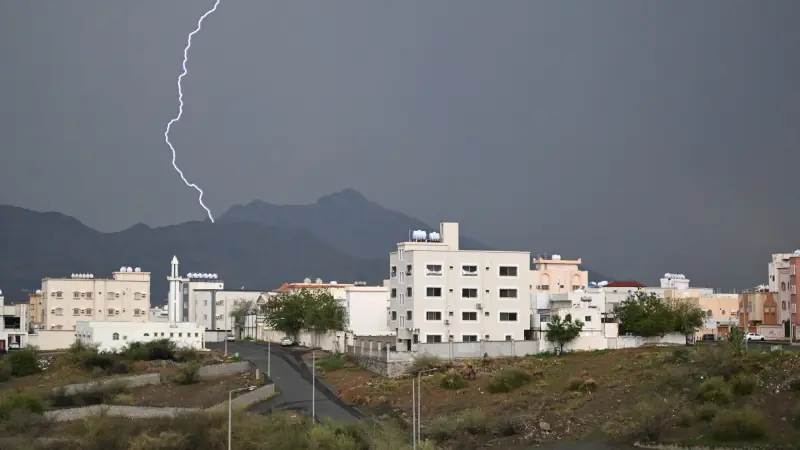
Madinah gets about 60 mm in a year, which is dry. The wettest months in the record are November (13.9 mm), January (8.6 mm) and December (7.0 mm), and the driest are June, July and September, each with less than 1.5 mm. Heavy single-day falls do happen, however: the highest daily total on record is 52.4 mm in November, with 50.5 mm in January and 41.9 mm in March. A light rain jacket is worth packing for November to January.
What to pack
December to February
- A warm layer such as a fleece or light padded jacket for the mornings and evenings. A full UK winter coat is usually more than you need.
- Long trousers or similar for cooler nights, plus light clothing for the middle of the day.
- Closed shoes or socks with sandals for early mornings, when the ground and the air are cool.
- A light waterproof layer for the wetter months of December and January.
March, April, October and November
- Light clothing for the day and a thin layer for the evening, mainly in March and November.
- Sun protection from March onwards. The sun is strong all year.
May to September
- The lightest, most breathable clothes you own, with spare sets so that you can change during the day.
- Sunscreen, a cap or hat and sunglasses, a water bottle, and electrolyte sachets.
- Plan outdoor time for the early morning and after sunset, and rest in your hotel through the hottest hours.
All year
- Comfortable walking shoes that you can remove easily and carry.
- Any regular medicines in their original packaging, with the paperwork covered in our Umrah visa guide.
- A plug adapter and a power bank.
Packing for both cities
Most Umrah trips include both Makkah and Madinah, and the two climates differ most in winter. If you travel between December and February, pack for Makkah’s mild days and Madinah’s cool nights: light clothes plus one warm layer. In summer you can pack almost the same for both cities. Our Makkah weather guide has the full table for the other half of your trip.

How a trip from the UK differs
Leaving a UK winter, you will find Madinah milder by day but with cool mornings and evenings. Leaving a UK summer, the heat is of a different order, with the average high at 43°C or more and nights that stay near 30°C. In both cases, the first day or two are when travellers feel the change most, so keep your first day light and drink more water than usual.
Weather is only one factor when picking dates. Availability, school holidays and the Ramadan period also shape what is on offer, and we have not covered those here. Tell us when you want to travel and we will check what is available.
Ask us about your dates
We send written quotes for any UK departure airport and any month. Get a quote or look at our Umrah packages.
Frequently asked questions
What is the weather like in Madinah?
Mild to cool in winter and very hot in summer. The average daytime high is 24.4°C in January and 43.8°C in August, and the average night-time low runs from 12.1°C in January to 30.5°C in August. Rain is rare, at about 60 mm a year.
Is Madinah colder than Makkah?
Yes, in winter. In January the average high is 24.4°C in Madinah against 30.9°C in Makkah, and the average low is 12.1°C against 19.2°C. In July and August the two cities are almost the same.
Do I need a jacket for Madinah?
For December to February, yes, a light jacket or fleece for mornings and evenings. The station records about 3 to 4 nights in December and February, and about 10 in January, at or below 10°C.
What is the best month for weather in Madinah?
On the figures, February, March and November are comfortable, with average highs of 27.0°C, 30.8°C and 30.4°C. December and January are the coolest, and cool nights are the main thing to plan for.
Does it rain in Madinah?
Occasionally. November is the wettest month at 13.9 mm on average, and the heaviest single day in the record is 52.4 mm in November. The summer months are almost completely dry.
Makkah weather month by month
One page for each month, with the month before and after, rain days and what to pack.
- Makkah weather in January
- Makkah weather in February
- Makkah weather in March
- Makkah weather in April
- Makkah weather in May
- Makkah weather in June
- Makkah weather in July
- Makkah weather in August
- Makkah weather in September
- Makkah weather in October
- Makkah weather in November
- Makkah weather in December
Hotels for your Umrah trip
We list the walking distance to the Haram for every hotel and quote for your dates.
Sources
- WMO Climate Normals 1991 to 2020, Madinah station 40430 (hosted by NOAA)
- Wikipedia: Medina, climate section (sunshine figures) (read 13 November 2026)